
Buying Guide
Are Plastic Water Bottles Safe? The Truth About BPA, Toxins & Your Health in 2026
Mar
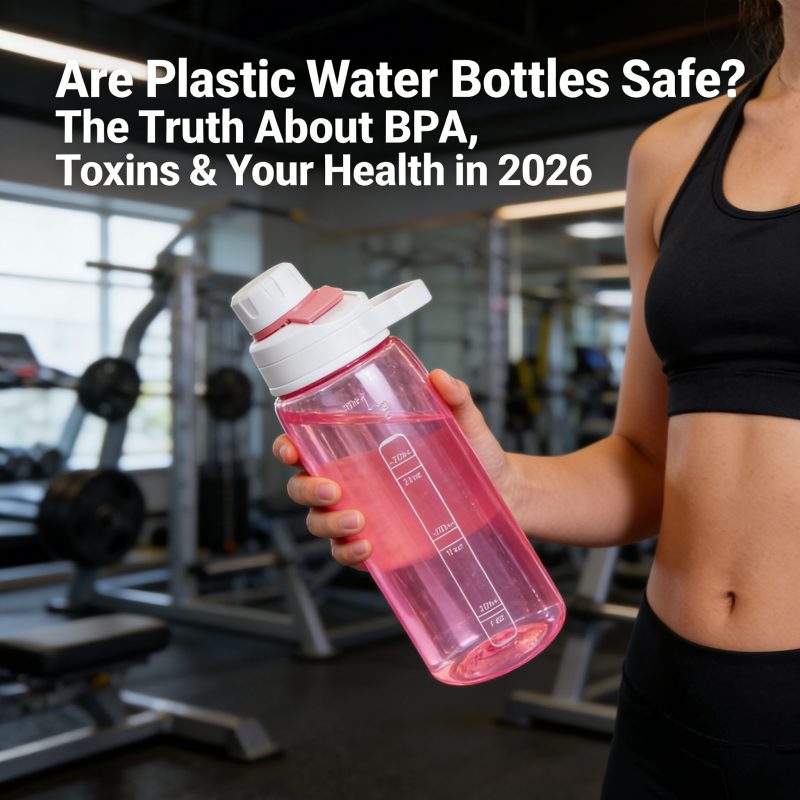
Every minute, one million plastic water bottles are sold globally. In an age of health consciousness, millions more people carry reusable plastic bottles to the gym, work, and school. But a critical question lingers in the minds of consumers: Are plastic water bottles safe?
For manufacturers and consumers alike, 2026 has brought new regulations, fresh scientific studies, and a renewed focus on what exactly leaches from our drinkware into our bodies. This comprehensive guide cuts through the confusion, examining the latest truths about BPA, hidden toxins, and how to make informed choices for your health.
The Shifting Regulatory Landscape: The 2026 EU Ban
The most significant development in recent months is the European Union’s comprehensive ban on Bisphenol A (BPA) in food contact materials, which took full effect in 2025. Regulation (EU) 2024/3190 prohibits the use of BPA in the manufacture of products like reusable plastic water bottles, coated metal cans, and water coolers.
This move followed years of research linking BPA to health risks. While the European Food Safety Authority (EFSA) drastically lowered the tolerable daily intake (TDI) for BPA, citing concerns about immune system effects, this ban represents the strictest precautionary approach globally. This regulatory shift signals a powerful message: the era of uncertainty regarding BPA is ending, and the era of restriction has begun.
Understanding the “BPA-Free” Myth
Walk into any store, and you’ll see shelves lined with bottles emblazoned with “BPA-Free” labels. For years, this was the gold standard for safety. However, science in 2026 tells us this label is no longer a guaranteed shield.
BPA (Bisphenol A) is an industrial chemical used to make polycarbonate plastic hard and shatter-resistant. It is also a known endocrine disruptor, meaning it can interfere with the body’s hormone systems. Studies have linked BPA exposure to cardiovascular disease, diabetes, obesity, and developmental issues.
The problem is that in the rush to remove BPA, manufacturers often replaced it with similar chemicals, namely BPS (Bisphenol S) and BPF (Bisphenol F) .
-
The Science: A 2022 study found that 70% of BPA-free plastic bottles released chemicals with estrogenic activity—meaning they acted like the hormone estrogen in the body—when exposed to stressors like UV light from the sun or boiling water.
-
Real-World Example: A recent study on pacifiers, published in early 2026, found that a product labeled “BPA-free” actually showed the highest migration of BPA and related compounds, exceeding the new, stricter safety limits.
The takeaway is clear: “BPA-free” does not automatically mean “chemical-free” or “safe.” The substitutes may pose similar risks.
Beyond BPA: The Hidden Toxins in Plastic
While bisphenols get the most attention, they are not the only concern. Plastic is a complex cocktail of chemicals. When a bottle is exposed to heat (like a car on a summer day), sunlight, or simply ages and scratches, these chemicals can migrate into your water.
Key toxins to be aware of in 2026 include:
-
Phthalates: Used to make plastics soft and flexible. Like BPA, they are endocrine disruptors linked to reproductive issues, obesity, and insulin resistance.
-
Microplastics: A 2020 study found that a typical reusable plastic bottle can release over 4 million microplastic particles per liter after one year of use. These particles can carry the chemical additives into our bodies, with unknown long-term effects.
-
Heavy Metals & PFAS: Cheaper plastics may contain traces of lead or other contaminants. Furthermore, perfluoroalkyl chemicals (PFCs/PFAS), used in some packaging for grease resistance, are a growing concern linked to reduced immunity.
The Vulnerability of Children
Infants and children are far more susceptible to these toxins. Their developing organs, smaller body mass, and unique behaviors (like chewing on a spout) increase their risk.
The American Academy of Pediatrics (AAP) has been particularly vocal, urging families to avoid plastics with recycling codes 3 (phthalates), 6 (styrene), and 7 (bisphenols) unless they are specifically labeled as “biobased”. Pediatric environmental health specialists recommend that parents assume any plastic in contact with food or drink has the potential to leach chemicals—especially when heated or scratched.
How to Decode Plastic: The Recycling Numbers
To protect yourself, you need to become a savvy label reader. Flip the bottle over and look for the recycling number inside the triangle.
-
Plastics to Approach with Caution (or Avoid):
-
#3 (PVC): Often contains phthalates.
-
#6 (PS): Can leach styrene, a possible carcinogen.
-
#7 (Other): A mixed bag. Often includes polycarbonate (which may contain BPA) and other new bisphenols.
-
-
Safer Plastic Options:
-
#1 (PETE): Designed for single use. Do not reuse, as it can harbor bacteria and break down over time.
-
#2 (HDPE) & #4 (LDPE): Generally considered safer, with low risk of leaching.
-
#5 (PP): Polypropylene is often used for yogurt containers and some bottle lids. It is considered one of the safer plastics for reuse, though it is not as durable as metal.
-
Even safer plastics, like Tritan™ Copolyester (often found in #7 but marketed separately), are considered moderately safe if certified BPA/BPS-free, but they are still plastic and may degrade over time.
The Safe Alternative: Why Stainless Steel is the Gold Standard
Given the complexities and risks associated with plastics, health experts and informed consumers are increasingly turning to alternatives like glass and stainless steel.
For a manufacturer, this represents a significant opportunity to pivot the conversation. Here is why stainless steel water bottles are the superior choice in 2026:
-
Zero Chemical Leaching: High-quality food-grade stainless steel (304 or 18/8) is non-reactive and inert. It will not leach chemicals like BPA, BPS, or phthalates into water, regardless of temperature, age, or how many times it is dropped.
-
Superior Taste: Stainless steel has a non-porous surface that doesn’t absorb flavors or odors. In blind taste tests, water stored in stainless steel is consistently rated as “crisp” and “clean,” whereas plastic often develops a “plastic” aftertaste over time.
-
Unmatched Durability: A plastic bottle may last 1-3 years. A well-made stainless steel bottle can last a decade or more, saving money and reducing waste.
-
Environmental Impact: While manufacturing a stainless steel bottle requires more energy upfront, its long lifespan makes it far more sustainable. A lifecycle analysis shows that a stainless steel bottle breaks even with single-use plastic after just 25 uses. Over its life, it can replace over 1,500 disposable bottles. Even compared to reusable plastic, one year of using a stainless steel bottle, when factoring in washing, has a comparable or better environmental profile than HDPE plastic, and far outperforms single-use PET.
Practical Steps for Healthier Hydration
Whether you are a consumer or a business sourcing products, here is a checklist for safety in 2026:
-
For Hot Liquids: Never pour boiling water into a plastic bottle. Heat accelerates chemical leaching. Use stainless steel or glass for hot beverages.
-
Ditch the Dishwasher: High heat in dishwashers can degrade plastic and increase leaching. Hand wash plastics gently. Stainless steel is generally dishwasher safe, though hand washing preserves the finish.
-
Inspect and Replace: If your plastic bottle is scratched, cloudy, or smells even after washing, replace it immediately. These are signs of degradation and bacteria buildup. Stainless steel does not have this issue.
-
Check Certifications: Look for bottles explicitly labeled “304” or “316 stainless steel,” or for plastics, look for third-party certifications like “NSF Certified” or “EU LFGB”.
Make the Switch for Long-Term Health
So, are plastic water bottles safe? The answer in 2026 is nuanced but leans toward caution. While some plastics are safer than others, the potential for chemical leaching—especially from “BPA-free” alternatives, under heat, or as the bottle ages—remains a tangible health concern. Regulatory bodies like the EU are moving to ban these substances because the evidence of harm is mounting.
For those seeking peace of mind, the solution is simple. By choosing a high-quality stainless steel water bottle, you eliminate the guesswork. You get a durable, taste-neutral, and truly safe vessel for your daily hydration.
As a leading manufacturer of premium stainless steel drinkware, we are committed to providing products that meet the highest standards of health and safety. Explore our collection of food-grade stainless steel bottles designed to keep you and your family safe, one sip at a time.
