
Buying Guide
Are Thermos Bottles Worth the Price? A Factory Cost Breakdown
Jan
Walk into any outdoor store or browse Amazon, and you’ll notice one thing immediately: thermos bottles are not cheap. A branded thermos flask can easily cost two or three times more than a regular plastic bottle. This often leads wholesalers, importers, and even end consumers to ask the same question:
Are thermos bottles really worth the price?
As a stainless steel bottle manufacturer with years of factory-level experience, we see the full picture—from raw materials and production lines to quality testing and export logistics. In this article, we break down the real factory costs behind a thermos bottle, explain where the money goes, and help buyers understand what they are actually paying for.
What Makes a Thermos Bottle Different from a Regular Bottle?
At first glance, a thermos bottle may look similar to any other stainless steel bottle. The real difference lies inside.
A true thermos bottle uses double-wall vacuum insulation, a technology designed to drastically reduce heat transfer. Unlike single-wall bottles, a thermos flask is engineered to keep beverages hot or cold for extended periods—often 12 to 24 hours.
From a factory perspective, this difference alone increases production complexity, equipment requirements, and quality control costs.
Raw Material Costs: Stainless Steel Is Not All the Same
One of the biggest misconceptions in the market is that “stainless steel is stainless steel.” In reality, material grade plays a major role in cost and performance.
Most high-quality thermos bottles are made from:
- 304 stainless steel for general food-grade use
- 316 stainless steel for premium or corrosive-resistant applications
Compared to plastic or aluminum, stainless steel costs significantly more per ton. Even among factory bottles, the price difference between low-grade steel and certified food-grade steel can be substantial.
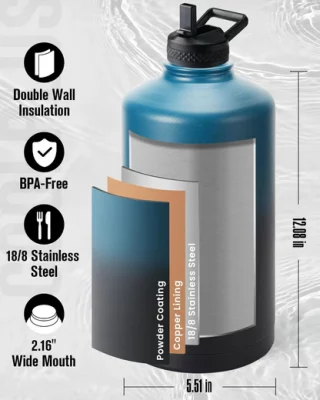
Additionally, thermos bottles require two separate steel shells—an inner liner and an outer body—effectively doubling the raw material consumption compared to standard bottles.

Double-Wall Vacuum Insulation: The Core Cost Driver
The heart of any thermos bottle is its vacuum insulation layer, and this is where costs rise quickly.
The Vacuum Process Explained
Creating a vacuum-insulated thermos tumbler involves:
- Welding two stainless steel layers together
- Removing air between the walls using vacuum equipment
- Sealing the vacuum chamber permanently
This process requires:
- High-precision welding machines
- Vacuum pumps and leak-detection systems
- Skilled technicians rather than basic assembly workers
Any defect—microscopic leaks, uneven welding, or weak sealing—will ruin the insulation performance. This is why factory bottles that are truly vacuum-insulated cost much more to produce than visually similar products.
Manufacturing Equipment Investment
A professional thermos bottle factory is capital-intensive.
Unlike simple drinkware, thermos flask production requires:
- Hydraulic deep-drawing machines
- Laser or plasma welding systems
- Automatic vacuum extraction lines
- Annealing and polishing equipment
These machines are not optional. They represent millions of dollars in upfront investment, which must be amortized into each unit produced.
Factories that cut corners by using older or semi-manual equipment usually struggle with:
- Inconsistent insulation performance
- Higher defect rates
- Shorter product lifespan
When you see a thermos bottle priced higher, part of that price reflects modern manufacturing infrastructure.
Temperature Retention Testing and Quality Control
From a buyer’s perspective, the key selling point of a thermos bottle is temperature retention. From a factory’s perspective, this is also one of the most expensive steps.
Reliable factories conduct:
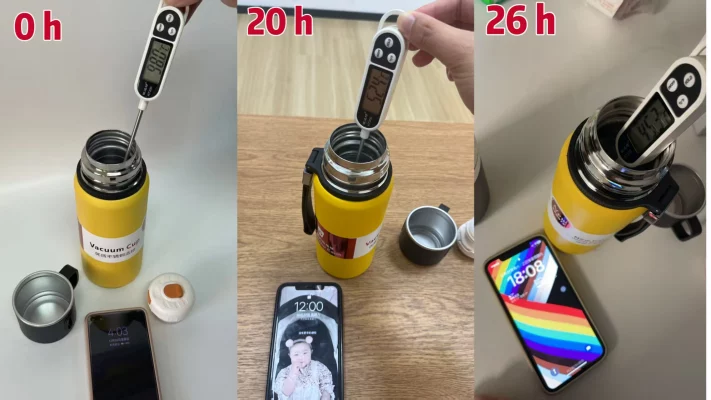
- Hot water retention tests (often 6, 12, and 24 hours)
- Cold retention and ice-melt tests
- Vacuum leakage inspections
- Drop and impact resistance tests
These tests require time, labor, and dedicated testing areas. Lower-priced factory bottles often skip long-duration testing altogether, which is why performance varies widely in the market.
In short, consistent insulation performance costs money.
Lid Systems: Small Parts, Big Cost Impact
Many buyers underestimate how much the lid contributes to the total cost of a thermos bottle.
A high-quality thermos tumbler lid typically includes:
- BPA-free plastic materials
- Silicone sealing rings
- Multiple injection molds
- Leak-proof structural design
Spill-proof and leak-proof lids require repeated mold trials, tooling investment, and assembly precision. Poor lid design is one of the top reasons for customer complaints, which is why reputable factories invest heavily here.
Cheap lids may look similar but often fail after repeated use or temperature changes.
Surface Finishing and Coatings
Modern thermos flasks are not just functional—they are also lifestyle products.
Popular finishes include:
- Powder coating
- Matte or rubberized textures
- Electro-polished stainless steel
- Customized colors and branding
Each surface treatment adds:
- Additional processing steps
- Energy consumption
- Quality inspection requirements
For factory bottles made for premium markets, surface finishing can account for a surprisingly large portion of the unit cost.
Customization Costs for B2B Buyers
For wholesalers and importers, customization is often essential. However, customization is never “free” at the factory level.
Common custom options include:
- Logo laser engraving or printing
- Custom colors
- Unique lid designs
- Retail packaging
Each customization requires setup time, tooling, or minimum order quantities. A customized thermos bottle will always cost more than a generic stock item, even when ordered in bulk.
Logistics and Export Compliance
Thermos bottles are heavier than plastic drinkware, which directly affects shipping costs.
Additionally, export-ready factory bottles must comply with:
- FDA or LFGB food-contact regulations
- BPA-free certification
- Country-specific labeling rules
Testing, documentation, and compliance management all add hidden costs that are rarely visible to end buyers but unavoidable for legitimate manufacturers.
Comparing Factory Cost vs Retail Price
So why does a thermos flask retail for so much more than its factory cost?
Between the factory and the end consumer, there are:
- Brand markups
- Distributor margins
- Marketing and advertising expenses
- Retail platform fees
This is why many B2B buyers choose to work directly with thermos bottle factories, eliminating unnecessary layers and gaining better price-to-quality value.
Are Thermos Bottles Actually Worth the Price?
From a factory standpoint, the answer is clear:
Yes—when they are properly made.
A well-manufactured thermos bottle offers:
- Long-term durability
- Reliable temperature retention
- Improved user experience
- Lower replacement rates
Cheap alternatives may look similar but often fail in real-world use, damaging brand reputation and increasing after-sales costs for wholesalers.
How to Judge If a Thermos Bottle Is Worth Buying
When sourcing factory bottles, focus on:
- Verified vacuum insulation performance
- Material grade transparency
- Lid leak-proof testing
- Factory production experience
- Quality control processes
Price alone is never the full story.
Thermos bottles are not overpriced by accident. Their cost reflects engineering, materials, testing, and manufacturing discipline that ordinary bottles simply don’t require.
For importers, wholesalers, and brand owners, understanding the factory cost breakdown helps you make smarter sourcing decisions—and confidently explain product value to your customers.
If you choose the right thermos bottle factory, you’re not just buying a product.
You’re investing in performance, reliability, and long-term market success.
Why Choose Our Factory
When you source thermos bottles, you’re not just buying a product—you’re choosing a manufacturing partner. That’s where we make the difference.
We are a dedicated stainless steel thermos bottle factory, not a trading company. Every thermos flask and thermos tumbler is produced in-house, which means better quality control, more stable pricing, and clearer communication from the first sample to mass production.
Temperature retention is the core of a good thermos bottle, and we take that seriously. Our factory bottles go through real insulation testing before shipment, so the performance you promise your customers is the performance they actually get.
We use food-grade stainless steel and BPA-free lid materials as standard, not as upgrades. It’s about safety, durability, and long-term use—especially important for brands that care about repeat customers and reviews.
If you need customization, we’ve got you covered. From logo engraving and custom colors to private-label packaging, we help wholesalers and importers turn ideas into sellable products without unnecessary complications or hidden costs.
Most importantly, we understand wholesale. Consistent quality, reliable lead times, and honest communication are what keep our partners coming back. We focus on building long-term relationships, not one-off orders.
