
Manufacturing & OEM
Common Quality Issues in Stainless Steel Cups & How Factories Prevent Them
Dec
When sourcing stainless steel cups at scale, quality consistency is one of the biggest concerns for wholesale importers. A single batch with defects can lead to returns, bad reviews, delayed launches, or even loss of key retail clients.
From leaking lids to insulation failure, many quality issues are not visible at first glance—but they directly affect customer satisfaction and brand reputation.
As a professional water bottles factory, we work with global importers, brand owners, and distributors every day. In this guide, we break down the most common quality problems found in stainless steel cups, explain why they happen, and—most importantly—show how reliable factories prevent them before shipment.
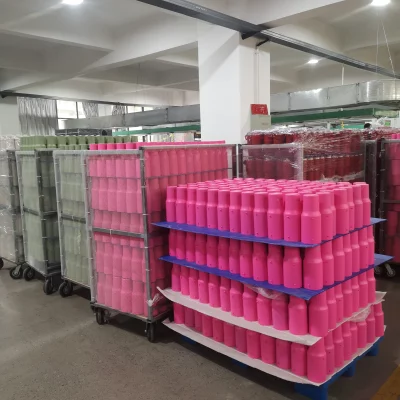
This article is designed to help importers:
- Reduce sourcing risks
- Ask the right questions before placing orders
- Identify factories with real quality control systems
Why Quality Control Matters in Stainless Steel Cup Wholesale
Unlike plastic drinkware, stainless steel cups involve:
- Multiple raw materials
- Precision welding
- Vacuum insulation processes
- Lid engineering
- Surface finishing and coating
Each production step introduces potential risks. A professional water bottles factory doesn’t rely on luck—it relies on process control, inspection standards, and experience.
Poor-quality cups often come from:
- Inexperienced factories
- Trading companies without production oversight
- Price-driven sourcing decisions
Let’s look at the most common issues importers face.
Poor Vacuum Insulation Performance
The Problem
One of the most frequent complaints from end customers is:
- “The cup doesn’t keep drinks hot or cold long enough.”
This issue usually appears after a few weeks of use, making it costly for importers to handle.
Common Causes
- Incomplete vacuum sealing
- Weak welding at the cup bottom
- Thin or inconsistent stainless steel thickness
- No vacuum aging test before shipment
How a Professional Factory Prevents It
A qualified water bottles factory will:
- Use automatic laser welding for vacuum sealing
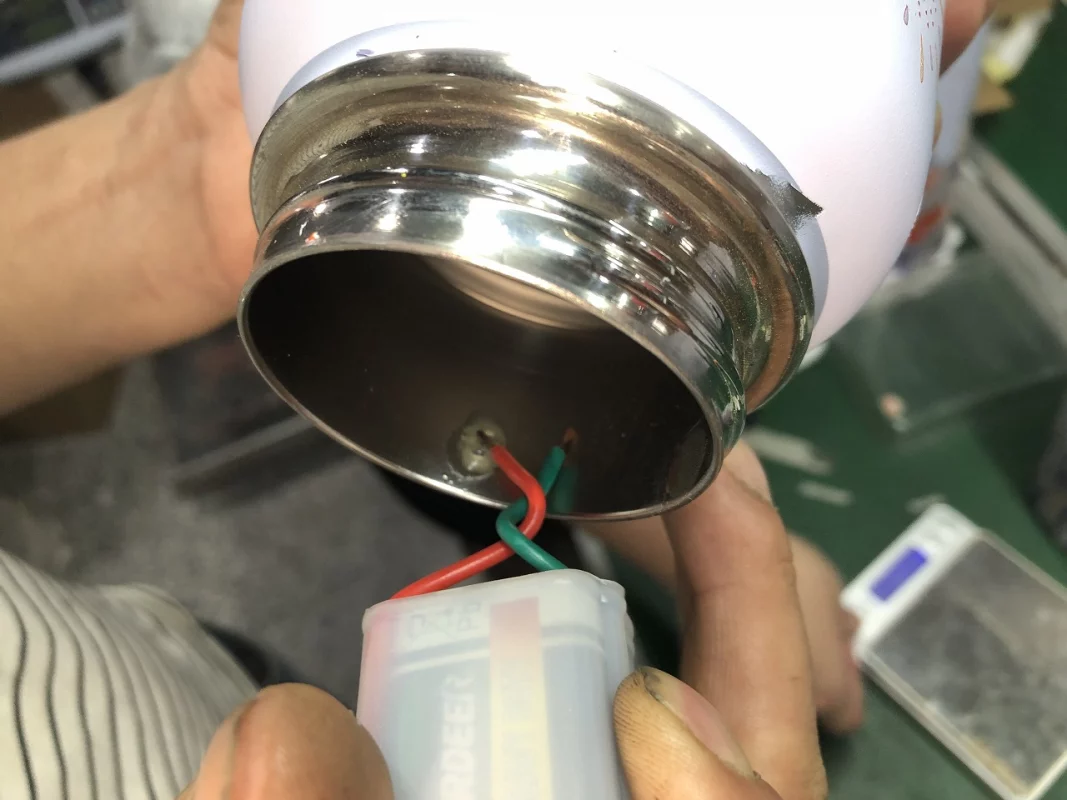
- Perform vacuum leak detection tests
- Conduct 24–48 hour insulation aging tests
- Randomly test heat retention (hot & cold) per batch
Importer tip:
Ask the factory for insulation test reports, not just verbal claims.
Lid Leakage & Poor Seal Design
The Problem
Leaking lids are one of the top reasons for negative reviews on Amazon and retail platforms.
Common Causes
- Low-quality silicone seals
- Poor mold tolerance
- Inconsistent lid assembly
- No real-world leak testing
Factory Prevention Measures
Reliable factories:
- Use food-grade, high-elastic silicone
- Test lids under inverted and shaking conditions
- Conduct 100% leak testing for premium orders
- Redesign molds based on importer feedback
An experienced water bottles factory understands that lid quality is just as important as the cup itself.
Surface Scratches, Dents & Poor Finishing
The Problem
Even minor scratches can cause:
- Retail rejection
- Brand image damage
- Repacking or rework costs
Common Causes
- Manual handling without protection
- Low-grade polishing processes
- Poor packaging between production stages
Factory-Level Solutions
Professional factories:
- Separate polishing and coating zones
- Use protective film during assembly
- Implement visual inspection standards (AQL)
- Use custom foam or divider packaging for bulk orders
A reliable water bottles factory treats surface finish as a quality indicator, not a cosmetic afterthought.
Inconsistent Coating & Color Differences
The Problem
Color mismatch between samples and mass production is a common importer complaint—especially for private label brands.
Why It Happens
- Manual spray coating
- Inconsistent powder coating thickness
- No color standard reference
- Rushed production schedules
Prevention at Factory Level
Top-tier factories:
- Use automated powder coating lines
- Match colors using Pantone or RAL systems
- Produce pre-production samples (PPS)
- Keep batch color records for reorders
A professional water bottles factory ensures color consistency across thousands—or even millions—of units.
Rust, Corrosion & Material Issues
The Problem
Rust inside a stainless steel cup is a deal-breaker for importers and consumers.
Root Causes
- Using low-grade stainless steel
- Mixing 201 steel with 304 unknowingly
- Poor passivation treatment
- Contamination during production
How Factories Prevent Rust
Reliable factories:
- Use certified 304 or 316 stainless steel
- Perform material composition testing
- Apply passivation and cleaning processes
- Separate stainless steel grades in storage
A serious water bottles factory will provide material certificates upon request.
Odor Retention & Metallic Taste
The Problem
Customers complain about:
- Metallic smell
- Taste transfer after repeated use
Why This Happens
- Poor internal polishing
- Chemical residue from cleaning
- Low-quality silicone seals
Factory Solutions
Quality-focused factories:
- Polish inner walls to food-grade smoothness
- Use odor-free, BPA-free components
- Conduct smell tests after cleaning
This is a subtle issue—but one that premium brands pay close attention to when choosing a water bottles factory.
Packaging Damage During Shipping
The Problem
Perfect products can still arrive damaged due to poor packaging.
Common Mistakes
- Thin cartons
- No internal dividers
- No drop testing
Factory-Level Prevention
Export-ready factories:
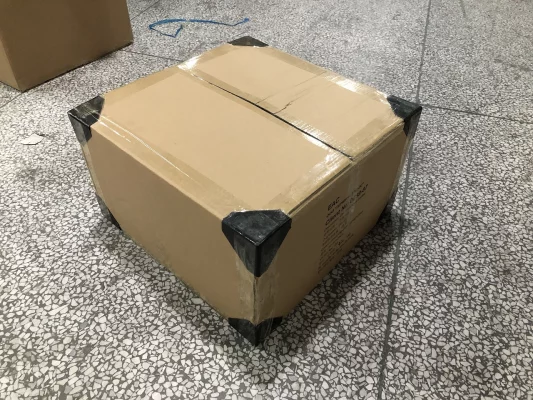
- Design export-standard cartons
- Add custom inner protection
- Perform drop and compression tests
A professional water bottles factory understands international logistics risks.
Quality Control Systems Importers Should Look For
Before choosing a factory, importers should confirm the following:
Essential QC Processes
- Incoming material inspection (IQC)
- In-process quality control (IPQC)
- Final random inspection (FQC)
- AQL-based inspection standards
Certifications That Matter
- ISO 9001
- BSCI / Sedex (for social compliance)
- FDA / LFGB for food contact
A trustworthy water bottles factory is transparent about its QC system.
How Importers Can Reduce Quality Risks
Practical Sourcing Tips
- Don’t rely only on samples
- Request pre-shipment inspection photos or videos
- Start with trial orders
- Choose factories—not trading companies—when possible
Long-term success comes from working with a water bottles factory that values quality as much as price.
Why Choosing the Right Water Bottles Factory Matters
For wholesale importers, stainless steel cups are not just products—they are brand representatives.
A reliable water bottles factory helps you:
- Reduce after-sales issues
- Protect brand reputation
- Improve customer retention
- Scale confidently in competitive markets
Quality problems are expensive. Prevention at the factory level is always cheaper than fixing issues after shipment.
Understanding common quality issues—and how professional factories prevent them—gives importers a powerful advantage in sourcing stainless steel cups.
Whether you sell on Amazon, supply retail chains, or build private label brands, choosing the right water bottles factory is the foundation of long-term success.
