
Manufacturing & OEM
Thermos Bottle Manufacturing Process Explained
Jan
If you’re a wholesaler in the drinkware field — whether you’re sourcing vacuum bottles for gyms, outdoor brands, corporate gifting networks, or retail stores — understanding how a thermos bottle is made gives you a huge edge. Not just in choosing the right factory partner, but in explaining quality to your own customers.
Thermos bottles are deceptively simple when you look at them on a shelf. But behind that smooth stainless steel exterior lies clever engineering, precise manufacturing, and quality control that could surprise you. Let’s take a tour down the production line — in a way that’s easy to picture and beneficial for your business decisions.
The Heart of a Thermos: What Makes It Keep Hot and Cold
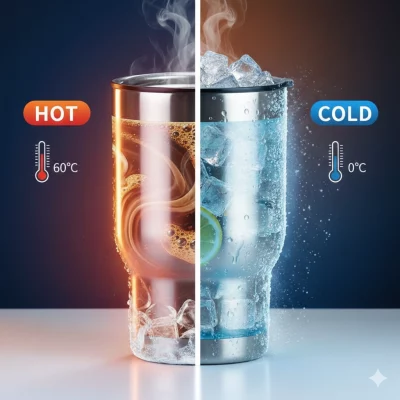
Before we dive into how thermos bottles are made, here’s the key insight: what makes a thermos effective is the vacuum layer between two walls. That vacuum — literally a space with almost no air — stops heat transfer by convection and dramatically slows it by conduction or radiation. Modern industrial processes form this vacuum reliably and efficiently, enabling bottles that keep liquid hot or cold for hours.
Raw Materials: Choosing the Right Steel
Most quality thermos bottles start with food-grade 304 stainless steel (also called 18/8 stainless). This material resists corrosion, is safe for drinking water, and has excellent durability — critical for products that get daily use.
At this early point, the factory checks the chemical makeup, thickness, and consistency of the steel coils. Any deviation can affect insulation, strength, and welding reliability. For OEM orders, many factories also verify accessory materials — like BPA-free plastics in lids and silicone seals — to ensure safety and compliance.
Shaping the Bottle: Inner Tank and Outer Shell
From raw stainless steel coils, the bottle begins to take shape. There are two major parts:
the inner tank (the container that holds your drink) and
the outer shell (the protective exterior).
These two pieces are usually formed through a deep-drawing or water-swelling process that stretches and shapes the steel into cylindrical forms. Hydraulic presses and CNC machines help ensure each wall matches exact dimensions so the double-wall assembly fits perfectly.
This is where the bottle starts to look like something you recognize — slender, seamless, and engineered to nest the inner and outer walls correctly.
Getting a Vacuum: The Magic Happens Here
After shaping and trimming, the next big milestone is the vacuum treatment.
Once the inner and outer components are welded together at the top and bottom, the bottle is placed in a vacuum chamber. Here, machines heat the space between the walls and extract air, achieving a deep vacuum. This vacuum layer — sometimes with a reflective coating on the inner tank — is what keeps drinks hot or cold, resisting heat transfer by multiple mechanisms.
This step is incredibly important: a poor vacuum means poor performance, and wholesalers should always ask factories about how they control and test vacuum integrity.
Cleaning and Surface Refinement
Before decoration and branding, the bottle goes through thorough cleaning and polishing:
- Ultrasonic cleaning removes oils, metal dust, and residues.
- Electrolytic polishing smooths the inner surface, reducing microscopic roughness and improving corrosion resistance.
- Outer surface polishing prepares it for a premium finish — whether that’s brushed metal, mirror polish, powder coating, or printed graphics.
Factories may also run multiple vacuum tests at this stage to ensure the vacuum seal hasn’t been compromised by handling.
Crafting the Cap and Lid
While the bottle body is being perfected, the production of the cap or lid happens separately. Most lids are made using precision injection molding of food-grade plastics, silicone gaskets, and optional stainless components for added durability.
Where the lid meets the bottle is one of the most common leakage points, so manufacturers often do additional seal testing, torque checks, and usability tests to ensure a consistent user experience every time a customer twists it open.
Decoration, Branding, and Customization
This is where you, as a wholesaler, have choices. Many factories offer:
- Laser engraving
- Silk-screen printing
- Water transfer graphics
- Color powder coating or matte finishes
Branding isn’t just cosmetic — it’s how your products stand out in the market. High-quality finishes can communicate premium value and attract end consumers faster than undecorated stock items.
Final Inspection and Packaging
Before the thermos bottles leave the factory floor, they go through multiple final checks:
- Vacuum insulation testing
- Leak testing under pressure
- Visual inspection of weld seams and surface quality
- Fit and finish checks for caps and accessories
Once approved, items are carefully packaged — often with protective inserts and compliant carton packaging — to survive global logistics without damage.
Quality Control Inside Factory
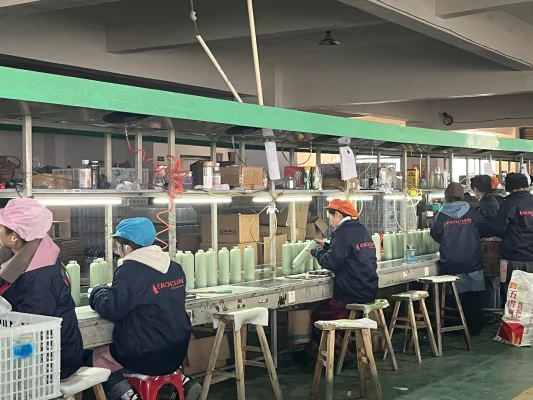
Top manufacturers have stringent quality controls that follow global standards: from stainless steel receipt to final packing. This includes 24/7 monitoring of production lines, detailed inspections of steel thickness and weld quality, and full performance tests on insulation capabilities.
For wholesalers, insisting on these checks — and asking for sample performance data — is a smart risk-management strategy.
Why Thermos Bottle Manufacturing Matters — For You and Your Buyers
Understanding how thermos bottles are made helps you:
- Choose suppliers with robust processes
- Set accurate price expectations with customers
- Communicate product value effectively
- Avoid quality pitfalls that hurt your brand reputation
Wholesalers who grasp the why and how behind the factory door sell more confidently — and sell more.
Why Choose Us
At Ifun, every batch we supply comes with:
- Verified food-grade 304 stainless steel
- Rigorous vacuum and leak testing
- Custom branding and finishing options
- Flexible MOQ options to support growth
- Responsive customer support and on-time delivery
We know what wholesalers need because we’ve been in your shoes—helping retailers win with products that perform as promised.
Contact Us
Ready to elevate your product line with high-quality thermos bottles?
Get in touch with us today!
📧 Email: kathy@ifunhouseware.com
📞 Phone: +86-181-3006-0578
🌐 Website: www.ifunhouseware.com
Let’s build something great together — one thermos at a time.
