
Buying Guide
Water Bottle Buyer’s Guide: Avoiding Common Import Mistakes
Dec
How to Source Hot Selling Water Bottles, Metal Bottles, and Travel Bottles with Confidence
Importing water bottles looks simple on the surface, but many buyers learn the hard way that it is one of the easiest product categories to get wrong. From quality failures and compliance issues to choosing the wrong hot selling bottles for your market, small mistakes can quickly turn into costly problems.
This water bottle buyer’s guide is written for importers, wholesalers, and brand owners who want to avoid common sourcing traps. Whether you are importing metal bottles for retail, travel bottles for outdoor markets, or expanding your private label water bottles line, this guide will help you make better decisions and protect your margins.
Why Importing Water Bottles Is More Complex Than It Seems
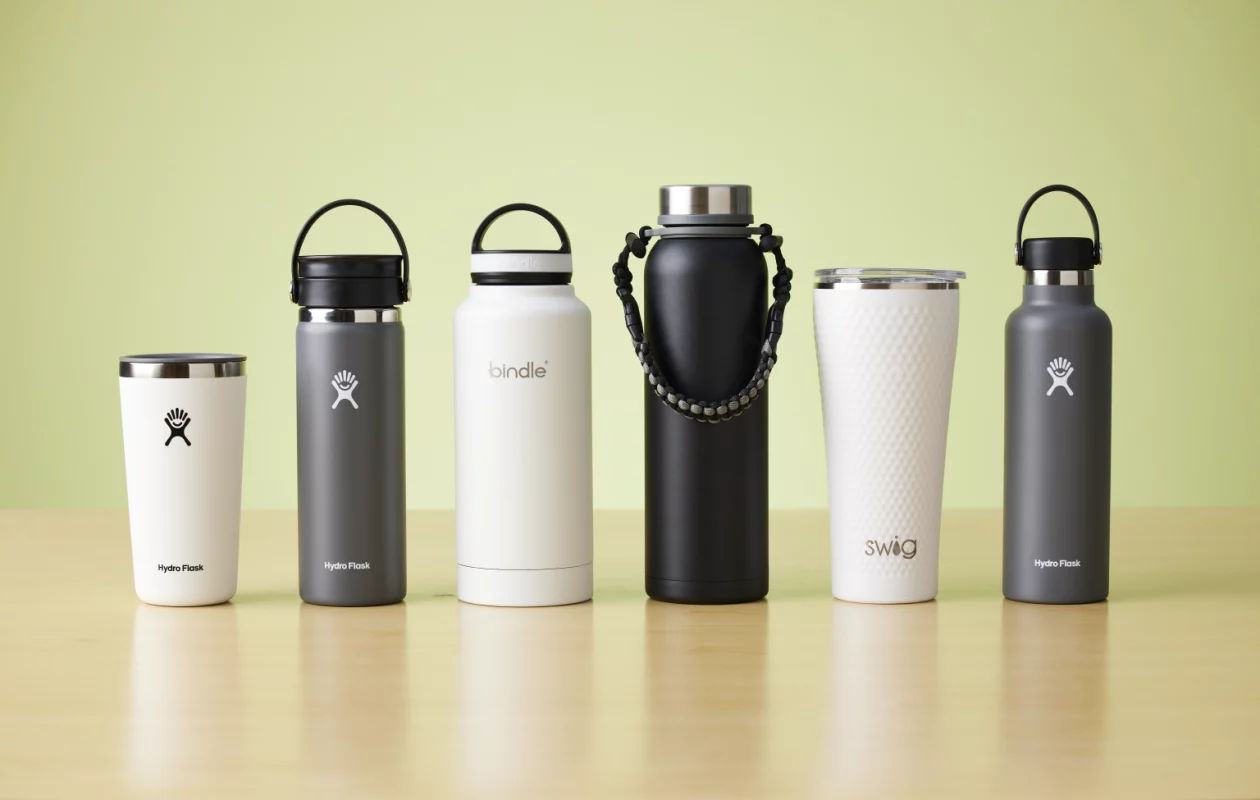
The global demand for reusable water bottles has grown rapidly over the past few years. Consumers are moving away from single-use plastics and toward durable, eco-friendly solutions. As a result, water bottles—especially metal bottles and insulated travel bottles—have become hot selling products in many markets.
However, high demand also means intense competition. Factories rush production, new suppliers enter the market, and quality varies significantly. Many import mistakes happen because buyers assume all water bottles are similar. In reality, differences in materials, manufacturing processes, and compliance standards can make or break a product.
A structured buying approach is essential if you want consistent quality and long-term success.
Understanding the Water Bottles Market Before You Import
Before placing any order, buyers need to understand how broad the water bottles category really is.
Hot Selling Water Bottles by Market Segment
Hot selling bottles differ by region and sales channel. In North America and Europe, metal bottles and insulated travel bottles dominate mid-to-high price segments. In emerging markets, lightweight plastic water bottles may still perform well.
Some of the most popular categories include:
- Insulated stainless steel water bottles
- Large-capacity travel bottles with handles
- Sports and fitness water bottles
- Everyday office and school water bottles
Understanding which water bottles sell best in your target market helps you avoid importing styles that look trendy but move slowly on shelves.
Travel Bottles vs Everyday Water Bottles
Travel bottles require higher performance standards. Leak-proof lids, impact resistance, and insulation are critical. Everyday water bottles may prioritize lightweight design and lower cost.
Mixing these two categories without understanding their technical requirements is a common import mistake.
Identifying Truly Hot Selling Bottles
Not every popular design online is a sustainable hot seller. Many buyers overreact to short-term trends and overstock the wrong products.
What Makes a Water Bottle a Hot Seller?
Hot selling water bottles usually share several traits:
- Practical size (18–32 oz for most markets)
- Reliable leak-proof performance
- Durable metal bottle construction
- Neutral or minimal design suitable for broad audiences
Functional Trends in Metal Bottles
Metal bottles continue to outperform plastic in premium segments due to:
- Better temperature retention
- Longer lifespan
- Stronger eco-friendly branding
Buyers should focus on functionality over novelty when selecting hot selling bottles.
Choosing the Right Material: Plastic vs Metal Bottles
Material choice is one of the most important decisions when importing water bottles.
Why Metal Bottles Dominate Premium Markets
Metal bottles, especially stainless steel, are perceived as safer and more durable. They resist odors, do not stain easily, and support vacuum insulation for hot and cold beverages.
For brands targeting higher margins, metal bottles are often the best long-term option.
Stainless Steel Grades Matter
Not all metal bottles are made from the same stainless steel. The most common grades are:
- 304 stainless steel: widely used, food-safe, cost-effective
- 316 stainless steel: higher corrosion resistance, often used for premium or marine environments
Choosing the wrong grade can lead to corrosion complaints or taste issues, especially in travel bottles used for hot liquids.
Travel Bottles: Special Considerations for Import Buyers
Travel bottles face more real-world stress than standard water bottles.
Leak-Proof Design Is Non-Negotiable
One of the most common complaints in travel bottles is leakage. Weak seals, poor lid design, or inconsistent assembly can result in returns and negative reviews.
Buyers should always request:
- Leak testing reports
- Sample testing before bulk production
Weight and Portability Balance
Metal bottles are heavier than plastic. Poor design can make travel bottles uncomfortable to carry. Buyers should evaluate wall thickness, handle design, and overall balance.
Common Import Mistake #1: Choosing the Wrong Water Bottle Style
Many buyers select water bottles based on appearance alone. This often leads to slow sales or high return rates.
Mistakes include:
- Overestimating fashion-driven designs
- Ignoring local usage habits
- Choosing designs that are difficult to clean
Hot selling bottles are usually simple, functional, and easy to maintain.
Common Import Mistake #2: Focusing Only on Price
Price pressure is one of the biggest risks when sourcing water bottles.
Hidden Quality Problems in Low-Cost Metal Bottles
Extremely low prices often mean compromises in:
- Welding quality
- Coating durability
- Insulation performance
These issues may not be visible in samples but appear after mass production.
Long-Term Cost vs Short-Term Savings
Replacing defective water bottles, handling customer complaints, and losing brand trust costs far more than paying slightly higher unit prices upfront.
Common Import Mistake #3: Weak Quality Control
Quality issues are especially common in metal bottles and travel bottles.
Typical Problems in Water Bottles
- Poor vacuum insulation
- Uneven powder coating
- Sharp edges or rough welding points
- Lid fit inconsistency
Importance of Inspection
Buyers should implement:
- Pre-production sample approval
- In-process quality checks
- Pre-shipment inspection
Skipping inspections to save money is one of the most expensive mistakes importers make.
Common Import Mistake #4: Ignoring Compliance and Safety Standards
Water bottles are food-contact products and must meet strict regulations.
Key Compliance Requirements
Depending on your market, water bottles may require:
- FDA or LFGB compliance
- BPA-free materials
- Proper labeling and packaging
Non-compliance can result in customs delays, rejected shipments, or product recalls.
Common Import Mistake #5: Choosing the Wrong Supplier
Not all suppliers understand water bottles equally well.
Factory vs Trading Company
Factories usually offer:
- Better price stability
- More control over quality
- Stronger customization support
Trading companies may be useful for small orders but often lack technical control over metal bottles.
Red Flags When Selecting Suppliers
- Unclear material specifications
- Refusal to provide test reports
- Inconsistent communication
Understanding the True Cost Structure of Water Bottles
Many buyers focus only on unit price and ignore total landed cost.
Cost Components to Consider
- Bottle unit cost
- Packaging
- Quality inspections
- Freight and customs
- After-sales replacements
Travel bottles, in particular, require stronger packaging to avoid transit damage.
Logistics and Shipping Mistakes
Water bottles are bulky and heavy, especially metal bottles.
Sea vs Air Freight
Sea freight is usually the best option for wholesale water bottles. Air freight is only suitable for urgent or small-volume orders.
Packing Optimization
Poor carton design leads to damaged bottles and higher shipping costs. Proper packing saves money and reduces risk.
Building a Reliable Water Bottle Sourcing Strategy
Successful importers treat water bottles as a long-term category, not a one-time product.
Standardizing Hot Selling Bottles
Instead of chasing trends, focus on a core range of proven hot selling water bottles.
Long-Term Supplier Relationships
Stable suppliers improve consistency, reduce defects, and support faster development of new travel bottles.
Real-World Import Mistakes and Lessons Learned
Many buyers have experienced:
- Entire shipments rejected due to coating failures
- Travel bottles leaking after retail launch
- Compliance documents missing at customs
All of these issues could have been avoided with better planning and supplier control.
Conclusion: How to Import Water Bottles Successfully
Importing water bottles can be highly profitable—but only if done correctly. By understanding the differences between water bottles, metal bottles, and travel bottles, and by avoiding common import mistakes, buyers can build sustainable product lines with strong margins.
The key is not finding the cheapest supplier, but building a reliable process that delivers consistent quality, compliance, and long-term success.
Frequently Asked Questions
Q1: What are the most hot selling water bottles today?
Insulated metal bottles and leak-proof travel bottles remain the top sellers in most international markets.
Q2: Are metal bottles better than plastic water bottles?
For premium positioning and durability, metal bottles generally perform better.
Q3: What is the biggest risk when importing travel bottles?
Leakage and insulation failure are the most common issues.
Q4: How can buyers reduce quality problems in water bottles?
By choosing experienced factories and implementing proper inspections.
Q5: What certifications are required for importing water bottles?
This depends on the market but usually includes food-contact safety compliance.
Q6: How long does production take for wholesale water bottles?
Typically 20–40 days depending on order size and customization.
Q7: How can importers protect profit margins in competitive markets?
By focusing on consistent quality, reliable suppliers, and proven hot selling bottles.
