
Buying Guide
What Importers Should Know Before Ordering Stainless Steel Bottles from Factories
Dec
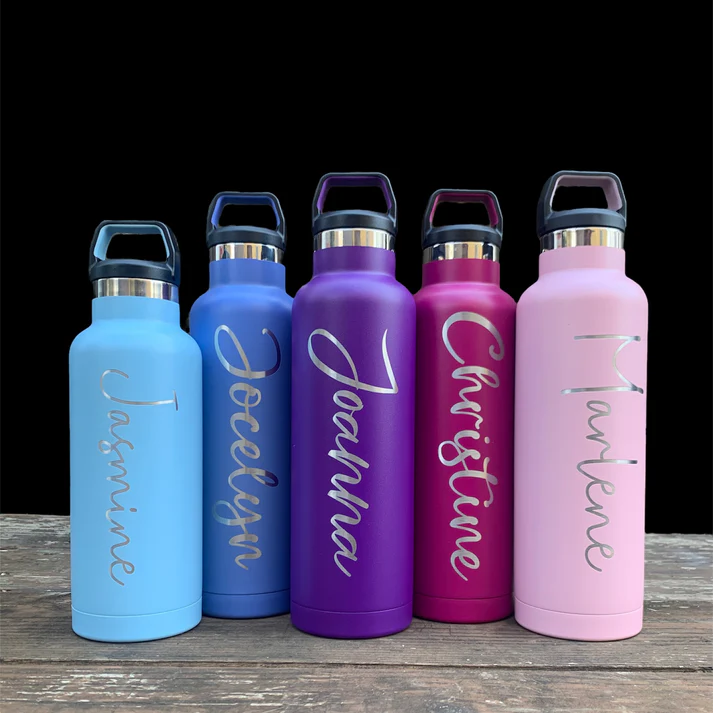
The global demand for stainless steel bottles has grown rapidly over the past decade, driven by sustainability trends, brand customization, and rising consumer expectations for quality drinkware. For importers, wholesalers, and brand owners, sourcing stainless steel bottles directly from factories—especially in manufacturing hubs like China—offers clear cost and customization advantages.
However, factory sourcing also comes with risks. Quality inconsistencies, unclear specifications, communication gaps, and hidden costs can quickly turn a promising order into a costly mistake.
This guide explains what importers should know before ordering stainless steel bottles from factories, helping you make informed decisions, avoid common pitfalls, and build reliable long-term supply partnerships. Whether you are sourcing standard SKUs or fully customized water bottles, this article is designed to support your purchasing strategy.
Understanding the Stainless Steel Bottle Market
Stainless steel bottles are no longer a single product category. Today’s market includes:
-
Vacuum insulated bottles
-
Tumblers with handles
-
Sports bottles with straw or FreeSip-style lids
-
Kids bottles
-
Promotional and corporate gift bottles
-
Premium lifestyle and outdoor bottles
For importers, this means factories vary widely in capabilities, specialization, and quality control standards. A factory producing millions of basic single-wall bottles may not be suitable for high-end vacuum insulated or customized water bottles with strict branding requirements.
Understanding your target market and positioning is the first step before contacting factories.
Material Matters: Stainless Steel Grades Explained
One of the most critical aspects importers often overlook is stainless steel material grade.
Common Grades Used in Bottles
-
304 Stainless Steel (18/8)
The most widely accepted food-grade material. Corrosion-resistant, safe, and suitable for premium markets like the US and EU. -
316 Stainless Steel
Higher corrosion resistance, often used for medical or marine applications. Higher cost, usually unnecessary for standard drinkware. -
201 Stainless Steel
Cheaper alternative with lower nickel content. Less corrosion-resistant and not recommended for premium or long-term use.
Importer Tip
Always confirm:
-
Inner wall material grade
-
Material thickness (e.g., 0.4 mm inner, 0.35 mm outer)
-
Certification compliance (FDA, LFGB, EU food contact)
For customized water bottles sold under your brand, material transparency is non-negotiable.
Single-Wall vs. Double-Wall Vacuum Insulation
Factories may offer different constructions, but not all explain the differences clearly.
Single-Wall Bottles
-
Lightweight
-
Lower cost
-
No insulation
-
Common for promotional use
Double-Wall Vacuum Insulated Bottles
-
Keeps beverages hot or cold for 6–24 hours
-
Higher production complexity
-
Requires vacuum testing
-
Higher MOQ and cost
If your customers expect performance, ensure the factory performs:
-
Vacuum leakage testing
-
Heat retention testing
-
Condensation prevention checks
These are especially important when ordering customized water bottles positioned as premium products.
Manufacturing Capabilities You Must Verify
Not all factories are equal—even if they claim to be “professional manufacturers.”
Key Capabilities to Check
-
In-house vacuum production (not outsourced)
-
Automated welding and polishing lines
-
Powder coating and spray painting facilities
-
Laser engraving and silk-screen printing
-
Mold development for lids and caps
Factories without in-house processes often rely on subcontractors, increasing risks of delays and inconsistent quality.
Importer Tip
Ask for:
-
Factory production videos
-
Real workshop photos
-
A list of machines and monthly capacity
Customization: More Than Just a Logo
Customization is one of the main reasons importers choose factory sourcing. But customization goes far beyond logo printing.
Customization Options Available
-
Bottle shape and capacity
-
Lid style (straw, flip, screw, handle)
-
Color matching (Pantone)
-
Surface finish (powder coat, matte, gloss)
-
Packaging design
-
Mold development for exclusive designs
Hidden Challenges
-
Color deviation across batches
-
Logo durability issues
-
Longer lead times for customized water bottles
-
Higher MOQs for new molds
Best Practice
Always request:
-
Pre-production samples (PPS)
-
Color chips or spray samples
-
Logo durability testing (dishwasher or scratch tests)
MOQ, Pricing, and Cost Structure
Importers often focus only on unit price, but total landed cost matters more.
Typical Cost Components
-
Product unit price
-
Mold or tooling fees (if applicable)
-
Logo setup fees
-
Packaging cost
-
Export cartons
-
Quality inspection fees
-
Shipping (FOB, CIF, DDP)
MOQ Reality
-
Standard models: 500–1,000 pcs
-
Customized water bottles: 1,000–3,000 pcs
-
New mold development: higher MOQ or mold amortization
Low prices often come with compromises in material, inspection, or after-sales support.
Quality Control: Your Safety Net
Quality issues are one of the biggest risks for importers ordering from overseas factories.
Common Problems
-
Paint peeling
-
Vacuum failure
-
Lid leakage
-
Logo fading
-
Denting during transport
Quality Control Measures to Demand
-
Incoming material inspection
-
In-line inspection
-
Final random inspection (AQL standard)
-
Vacuum and leakage testing
-
Packaging drop tests
For customized water bottles, QC is even more critical because defects directly impact your brand image.
Certifications and Compliance Requirements
Different markets require different certifications.
Common Certifications
-
FDA (USA)
-
LFGB (Germany)
-
EU Food Contact
-
BPA-Free testing
-
REACH compliance
Factories should provide valid, up-to-date test reports from recognized labs—not outdated or generic certificates.
Importer responsibility does not end at customs; compliance issues can result in product recalls or fines.
Packaging and Branding Considerations
Packaging is often underestimated but plays a key role in:
-
Retail presentation
-
Brand perception
-
Damage prevention
-
Shipping cost optimization
Packaging Options
-
White boxes
-
Custom printed color boxes
-
Gift boxes
-
Eco-friendly packaging
For customized water bottles sold online or as gifts, packaging quality can significantly impact customer reviews.
Communication and Lead Time Management
Reliable communication is a strong indicator of factory professionalism.
Red Flags
-
Slow or vague responses
-
Frequent price changes
-
Unclear production timelines
-
Reluctance to provide samples
Typical Lead Times
-
Sample: 7–15 days
-
Mass production: 25–45 days
-
Customized water bottles: longer if new molds are involved
Clear written confirmations help avoid misunderstandings.
Building Long-Term Factory Partnerships
Successful importers do not treat factories as one-time suppliers.
Benefits of Long-Term Cooperation
-
Stable pricing
-
Priority production slots
-
Better customization support
-
Continuous product development
-
Improved quality consistency
Factories are more willing to invest in tooling, R&D, and process improvements when they see long-term potential.
Smart Importing Starts with Preparation
Ordering stainless steel bottles directly from factories offers enormous opportunities—but only when done strategically.
Before placing your next order, ensure you clearly understand:
-
Materials and construction
-
Factory capabilities
-
Customization limitations
-
Quality control systems
-
Compliance requirements
-
True cost structure
For importers building private labels or premium product lines, customized water bottles are not just products—they are brand ambassadors. Choosing the right factory partner is the foundation of long-term success.
With proper due diligence and clear communication, factory sourcing can become one of your strongest competitive advantages in the global drinkware market.
